
Center for Chess Psychology (CFCP)
Chess is a conversation of the mind.
Chess psychology creates a bridge between behavioral science and how a person plays chess.
You might be asking...
- How do I stop blundering?
- How can I help my child get less upset when they lose?
- How do I recover from losses during tournaments?
- How do I win won games?
- How do I feel less anxious when playing chess?
- Why do I want to cheat?
Whether you’re a player, family, club, or school, it’s time we answered those questions.
Allow me to go more in depthClassical game VS FM A. Dixit (2025). White to play. How would different emotions produce different ideas in the position?
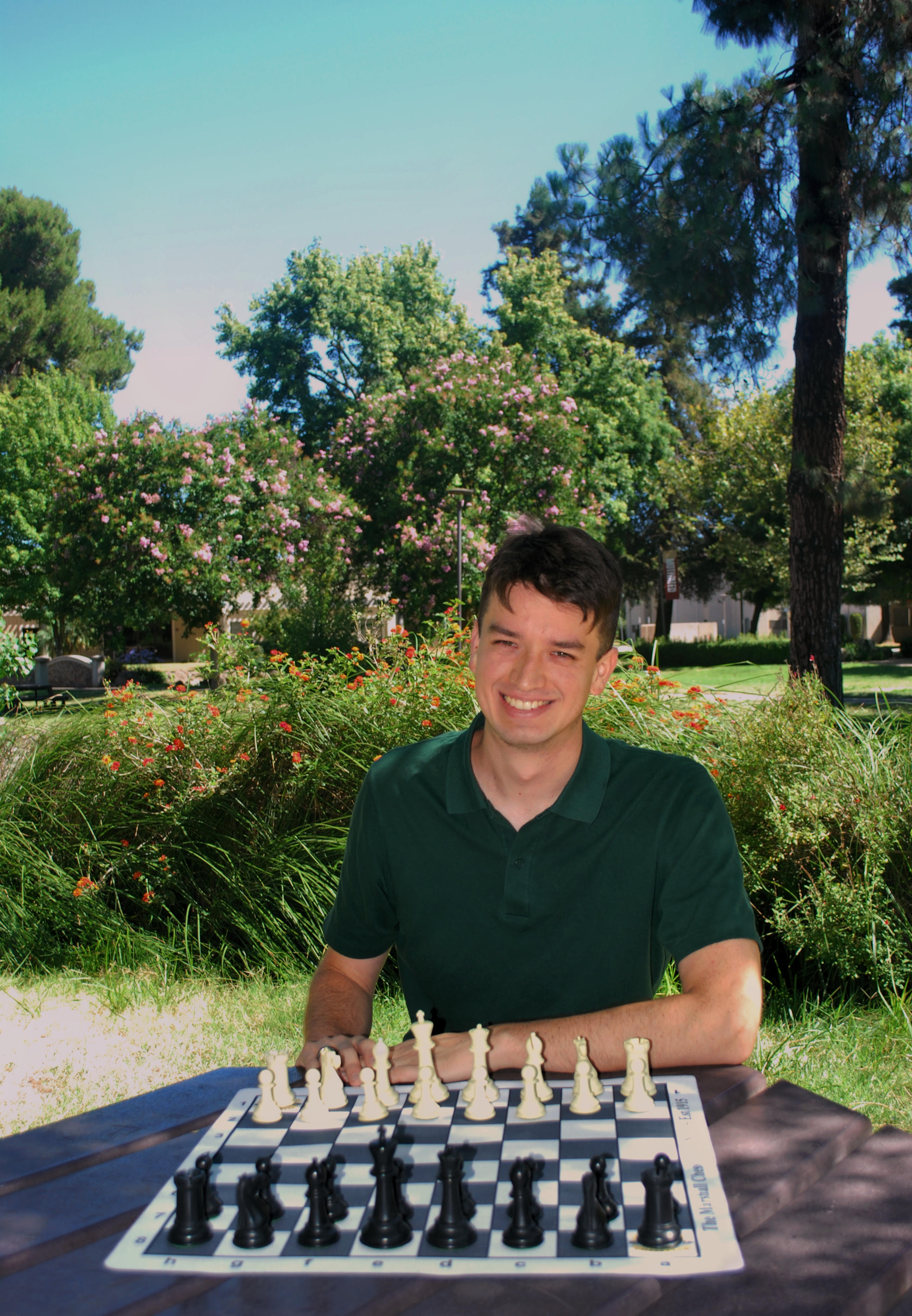
Meet Aaron
It’s nice to meet you.
I’m Aaron Thompson, Founder and Executive Director of the Center for Chess Psychology, based out of Stanford, CA, USA.
With an MA in Marriage & Family Therapy, a 2000+ USCF competitor’s rating, and a background as the former Director of Outreach at Chess in Slums Africa, I’ve spent my career at the intersection of culture, competitive chess, and psychological principles. Six distinct offerings have grown out of that experience, each one tailored to where you, your family, or your club actually are.
Six ways we can work together
See full details →Chess Psychology Coaching
One-on-one work connecting how you think with how you play.
Curriculum-Based Teaching
Chess-based lesson plans that teach emotional regulation and decision-making.
Presentation Engagements
Keynotes and talks on the mind behind the moves, for chess and non-chess audiences alike.
Group Sessions & Workshops
Hands-on workshops for teams of players working through the same mental blocks together.
Mental Health Consulting for Schools & Clubs
Advising administrators and club directors on building mentally healthy chess programs.
Parent Support & Guidance
Helping parents support a young player without taking over the game.
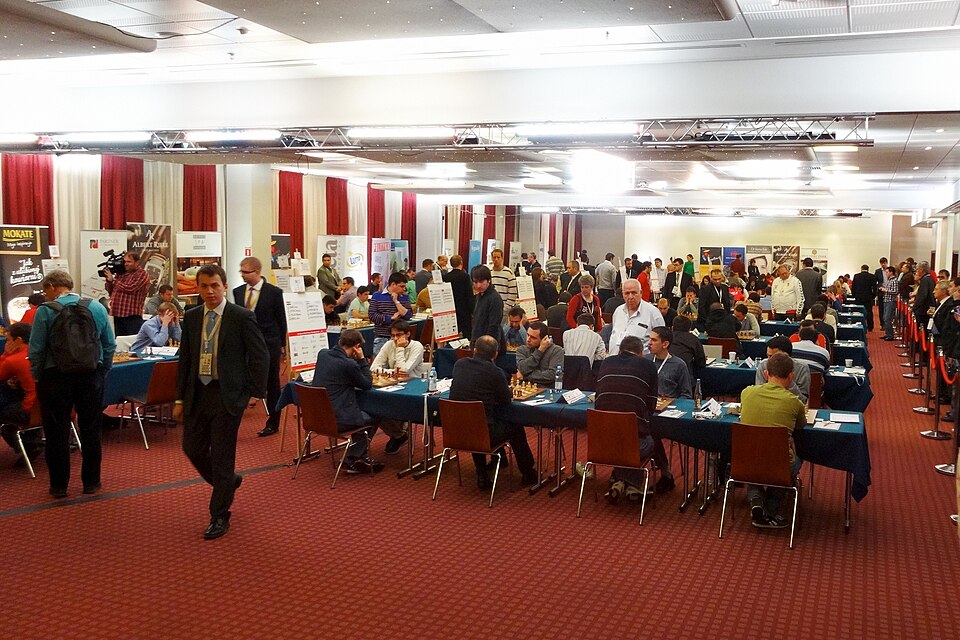
Global Partnerships
Working with federations, schools, and clubs worldwide
From scholastic clubs to national federations, the same principle holds everywhere the pieces move: the players who last are the ones who learn to manage themselves, not just the position.
Meet the partners