
The Makoko Champion with Cerebral Palsy
After two weeks of chess lessons in the Makoko slums of Lagos, Chess in Slums Africa held a tournament to see how much the kids had absorbed. One student, Ferdinand, a boy who lived with cerebral palsy and had been bullied for it, won his section with a performance strong enough that founder Tunde Onakoya called it what it was: a star being born.
I met Ferdinand myself alongside Tunde, who welcomed me on a virtual tour through Makoko, past the stilted walkways and floating classrooms where kids like Ferdinand learn the game. Seeing that community firsthand, even through a screen, was one of the most inspiring afternoons I've had in this work.

The story spread quickly, and support followed. Donations came in through an individual fundraiser set up for Ferdinand directly, through local bank transfers, and through the wider Chess in Slums Africa fundraiser, and the momentum kept building from there.
That attention turned into something more lasting. Following the fundraiser and the coverage of Ferdinand's story, Lagos State stepped in with full support for his family: housing, education, and financial assistance. Politics in Nigeria can be complicated, but the effect on Ferdinand's family was not: their circumstances changed for good.

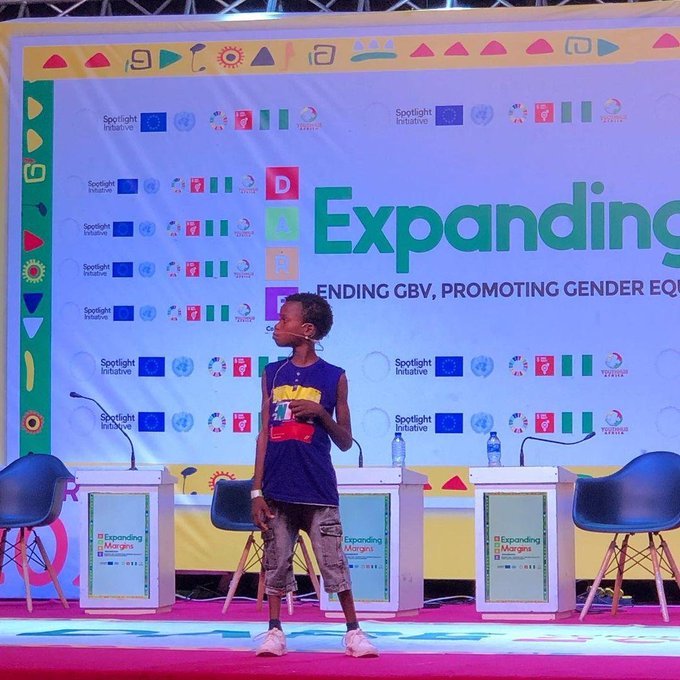
Ferdinand didn't just receive support, he began to offer it. He and Tunde were flown to Abuja to speak at a national conference, a long way from a boy who had once been mocked for a condition he had no control over. He was living proof that the condition didn't define him.
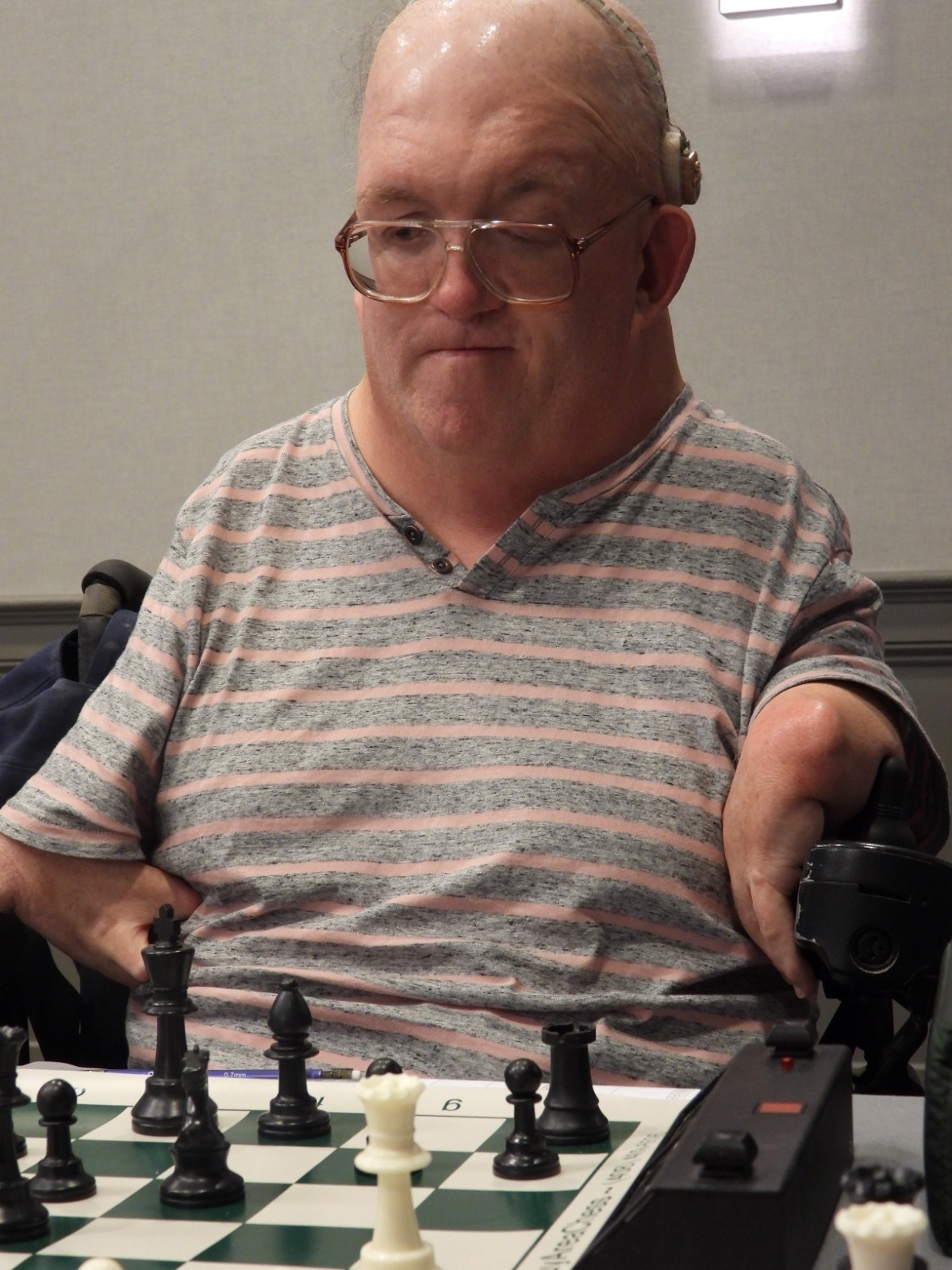
Around that time, I introduced Ferdinand's story to Michael Aigner, known in the chess world as "f-pawn," a US National Chess Master who had grown up with a serious birth defect of his own. Aigner saw enough of his own story in Ferdinand's that when we met in June of 2021, he recorded a personal video message for him, one competitor reaching across the world to another who was just beginning a similar climb.
What struck me most, looking back, is that no single donation changed Ferdinand's life. It was the accumulation: a small gift here, a larger one there, an invitation to speak, a stranger's video message, each one adding to a story that, piece by piece, humanized a child the world had been quick to overlook. That's still the model behind every fundraiser we run: change arrives one contribution at a time, and it adds up to more than anyone expects.